
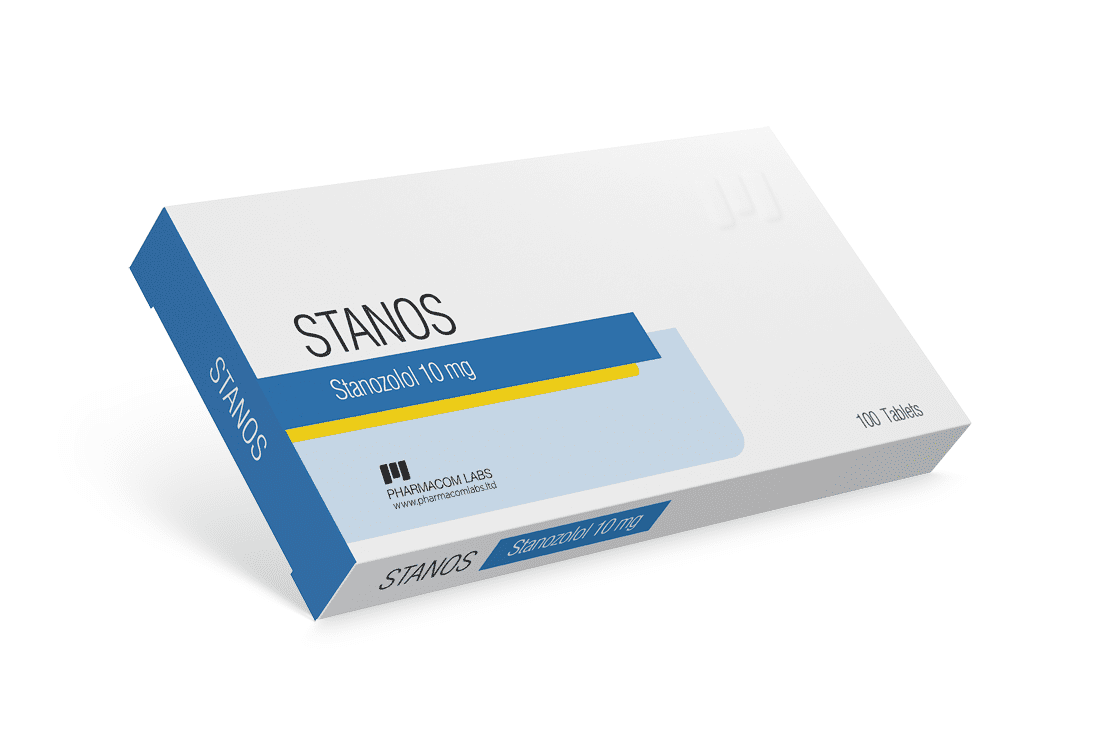

Stanozolol (Winstrol)
Stanozolol, commonly known by the trade name Winstrol, is a 17-alpha-alkylated anabolic steroid derived from dihydrotestosterone (DHT). It is characterized by high anabolic and low androgenic activity, making it a popular choice for athletes aiming to gain lean muscle mass, strength, and definition without excessive androgenic side effects.
Originally developed in 1962 by Sterling-Winthrop Laboratories, Stanozolol was first introduced for its therapeutic potential. Early studies observed its ability to influence immune system modulation, including increasing lymphocyte counts and CD8+ cell levels, while reducing CD3+ and CD4+ markers—suggesting potential use in autoimmune conditions and immunomodulatory therapy, particularly in postmenopausal women with osteoporosis.
Medically, Stanozolol has been approved for the treatment of hereditary angioedema, a rare genetic condition that causes episodes of swelling in various parts of the body. It has also shown influence over certain immunological processes, though its clinical applications in immunotherapy remain limited.
Key Highlights
Highly anabolic with minimal water retention
Derived from DHT; non-aromatizing, so no conversion to estrogen
Clinically used in hereditary angioedema treatment
Early research indicates potential immune-modulating effects
Improves muscle hardness, vascularity, and definition—popular in cutting cycles
Considerations
Hepatotoxic due to 17-alpha-alkylation; cycle length should be limited and liver support recommended
May negatively impact lipid profile (e.g., lower HDL, raise LDL)
Can cause joint dryness or discomfort due to lack of water retention
Post-cycle therapy (PCT) may be required to restore hormonal balance



There are no reviews yet.